Introduction to diving Truk Lagoon
Chuuk, known to divers by its wartime name Truk, is a group of high volcanic islands sitting inside a barrier reef roughly 65 km across in the Federated States of Micronesia. The lagoon it encloses is about 2,100 square kilometres, deep enough for a fleet and sheltered enough to anchor one, which is exactly why the Imperial Japanese Navy made it the forward base for its Combined Fleet in the Central Pacific.
On 17 and 18 February 1944, United States carrier aircraft attacked the anchorage in Operation Hailstone. Over two days they sank around fifty ships, mostly auxiliaries, freighters, tankers and submarine tenders rather than capital ships, and destroyed more than 250 aircraft. The warships had largely withdrawn a week earlier, but the support fleet had not, and it went down loaded: aircraft, tanks, trucks, artillery shells, mines, medical supplies, sake bottles and personal effects are still in the holds.
Wrecks in the shallows, wrecks for technical divers
What makes Truk unique is not only the number of wrecks but their depth. A large proportion of the fleet sits with decks between 10 and 30 meters and holds accessible on a single tank, which puts an unrepeatable historical site within reach of recreational divers. Alongside them sit deeper targets such as San Francisco Maru, with its deck near 50 meters and its bottom past 60, and the destroyer Oite in the pass, which belong firmly to technical diving.
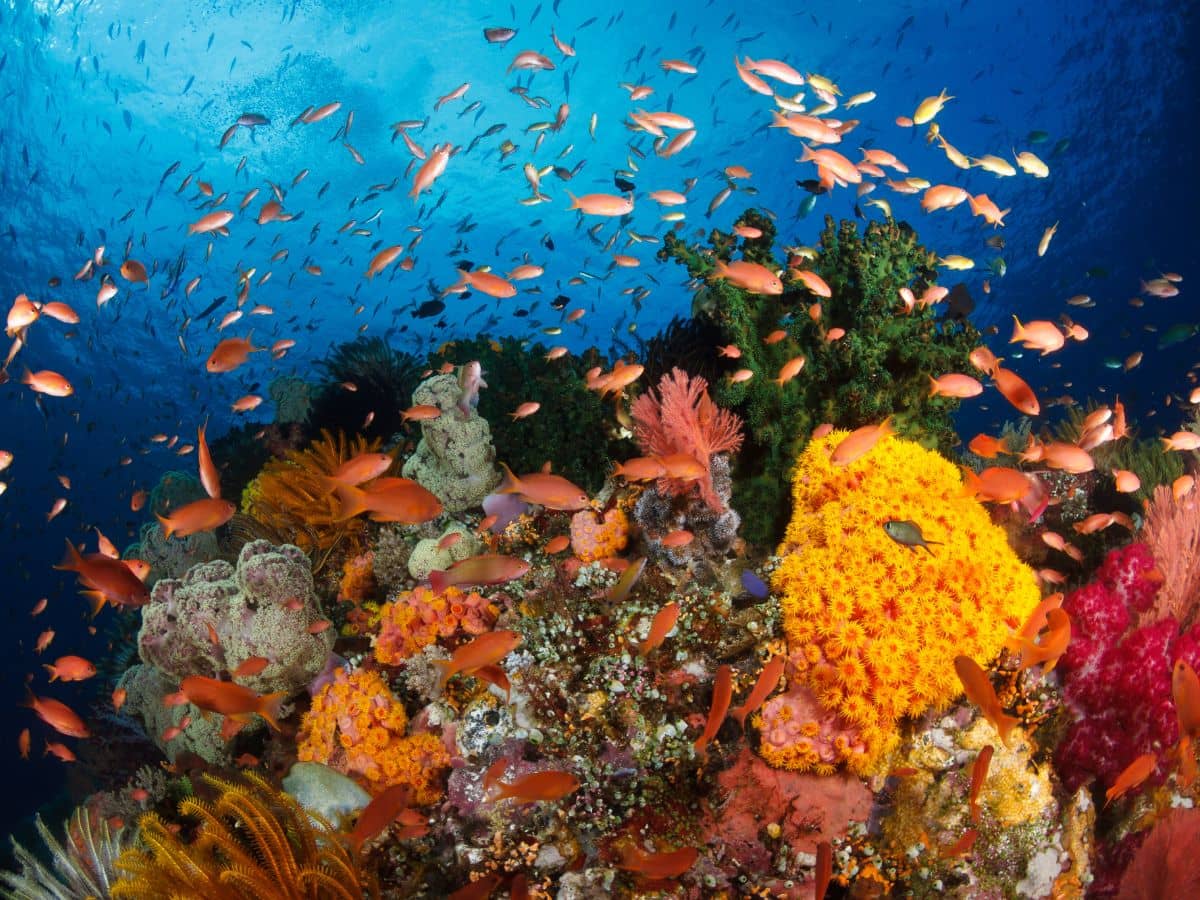
The wrecks are also a reef. Seventy years of warm, nutrient-rich water has covered masts, kingposts and superstructure in hard and soft coral, sponges and anemones, and the holds are full of glassfish and lionfish. The result is diving that is simultaneously a war grave, a museum and a coral garden, and every operator will tell you that the first of those three governs how you behave.
Why dive Truk Lagoon
Truk is the wreck destination against which every other wreck destination is measured, and it is far more accessible than its reputation suggests.
- Around fifty ships in one lagoon: no other site offers this density, and a ten-day trip still leaves wrecks you have not seen.
- Cargo still in the holds: Zero fighter fuselages, Type 95 tanks, trucks, aircraft engines, artillery shells, mines, gas masks and bottles, sitting where they were loaded in 1944.
- Recreational depths: many decks lie between 10 and 30 meters in sheltered water, so this is a world-class wreck site that does not require technical certification.
- Coral-covered superstructure: Shinkoku Maru and Fujikawa Maru carry some of the best soft coral and anemone growth on any wreck anywhere.
- Technical objectives too: San Francisco Maru, Aikoku Maru, Hoki Maru and the destroyer Oite give trimix and rebreather divers targets between 45 and 70 meters.
- Warm and sheltered: 28 to 30C water year round inside a barrier reef, with short boat rides and almost no current on most wrecks.
Wrecks in Truk Lagoon
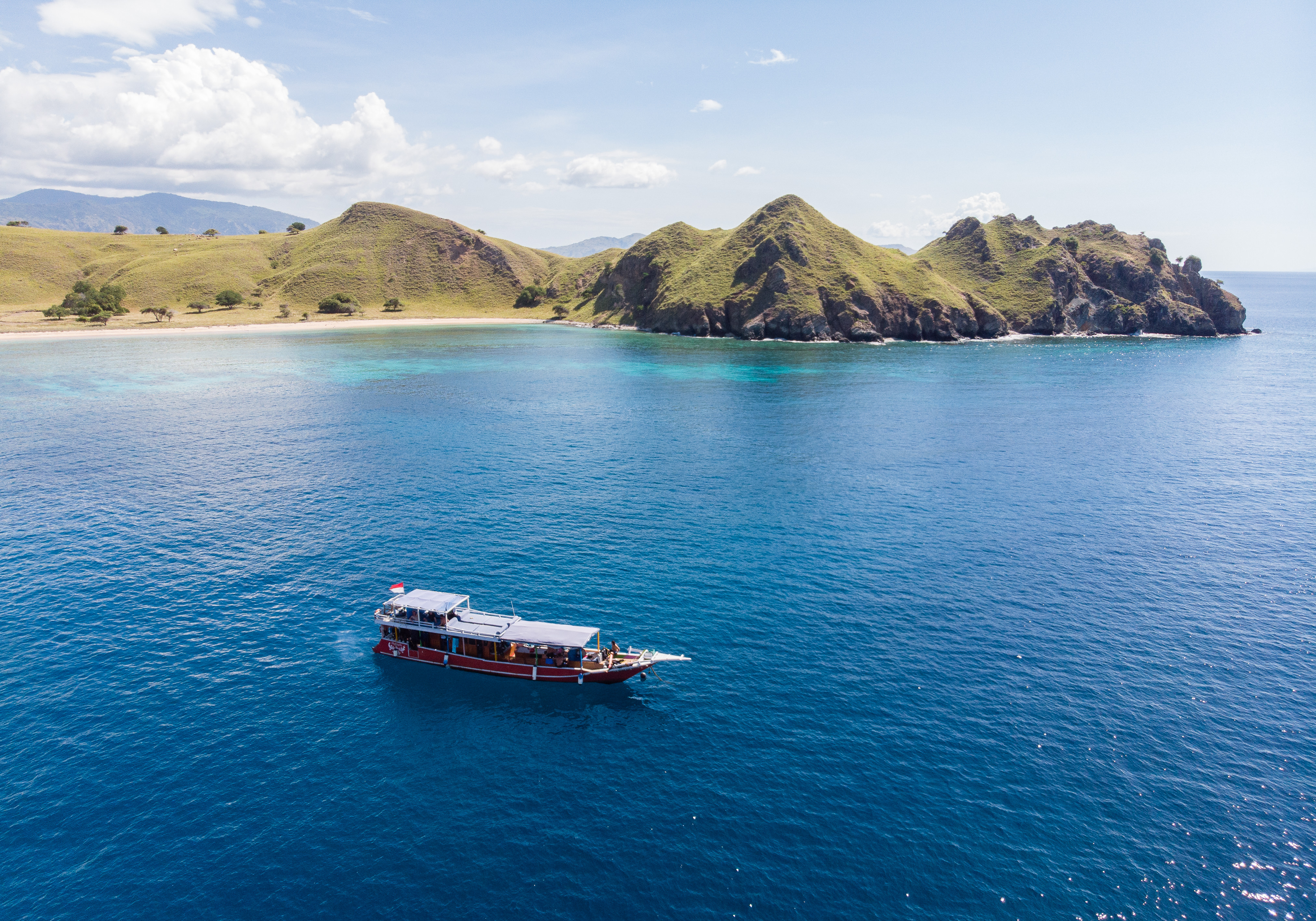
Most wrecks lie in the southern and eastern part of the lagoon around the islands of Dublon, Eten, Fefan and Uman, within 20 to 60 minutes of Weno by boat. Liveaboards moor over them; land-based operators run two or three dives a day out and back.
Fujikawa Maru
The most dived wreck in the lagoon and the usual introduction. A 132 meter aircraft ferry sitting upright with the deck at about 12 meters and the bottom at 34, holds containing Zero fighter fuselages, wings and propellers, and a famous engine room reached through the skylights. Bow and stern guns, dense coral on the kingposts, and easy conditions.
Shinkoku Maru
A 152 meter fleet oiler, upright, deck at 12 to 18 meters and bottom at about 40. It is the coral wreck of Truk: masts and superstructure carpeted in soft coral, anemones and sponges with clouds of reef fish. The interior includes a medical area with operating table and bottles, and the engine room is a well-known penetration for trained divers.
Nippo Maru
A 107 meter freighter lying slightly to port with the deck around 26 to 34 meters. On deck is a Type 95 light tank, three field guns and truck chassis; the bridge is intact with the helm and telegraph still in place. Depth means shorter bottom times, and nitrox pays for itself here.
San Francisco Maru
The deep classic, sometimes called the million dollar wreck for its cargo. A 117 meter freighter upright with the deck near 48 to 50 meters and the bottom at 63. Three Type 95 tanks sit on the foredeck, with trucks, mines, torpedoes and aviation fuel drums in the holds. This is a technical dive: decompression, trimix or a rebreather and appropriate training are the norm.
Heian Maru
At 155 meters the largest wreck in the lagoon, a submarine tender lying on her port side with the hull at 12 meters and the bottom at 33. Torpedoes, submarine periscopes and spare parts inside, and the name in raised characters on the bow. Long swims and easy depths make it a good second or third dive of the day.
Yamagiri Maru
A 133 meter freighter on her port side between about 18 and 34 meters, carrying 18.1 inch battleship shells in hold five, the calibre used by the Yamato class. Penetration into the engine room and galley is popular with guides who know the route, and the wreck holds large fish life.
Sankisan Maru
The bow was destroyed by an explosion, leaving the midships and stern section between 10 and 27 meters. Shallow, bright and one of the most heavily encrusted wrecks in Truk, with masts covered in soft coral. Holds contain truck chassis and crates of machine gun ammunition.
Betty Bomber and the Emily flying boat
Two aircraft dives that break up a week of ships. The Mitsubishi G4M bomber known as the Betty lies broken but recognisable at about 15 meters near Eten, cockpit and engines identifiable. The Kawanishi H8K flying boat, the Emily, sits in similar depth off Dublon and is largely intact, with the wing and hull structure clear.
Marine life in Truk Lagoon
Truk is a wreck destination first, but seventy years of warm water have turned the fleet into an artificial reef system, and the barrier reef and passes add genuine reef diving for anyone who wants a break from steel.
On the wrecks
- Soft coral, sea fans, sponges and anemones smothering masts, kingposts and railings, heaviest on Shinkoku Maru and Sankisan Maru.
- Clouds of glassfish and cardinalfish inside the holds and companionways.
- Lionfish, scorpionfish and batfish along the superstructure, with large groupers under the decks.
- Hard coral colonising the shallow decks and upper hulls of the shallower wrecks.
- Nudibranchs, flatworms and shrimp for divers who slow down on the safety stop.
On the reef and in the passes
- Grey reef and whitetip reef sharks on the outer reef and in the passes.
- Manta rays at cleaning stations near the northern passes, seasonally and depending on conditions.
- Eagle rays, barracuda, dogtooth tuna and schooling jacks in the tidal flow.
- Green and hawksbill turtles across the lagoon reefs.
- Dolphins on the surface crossings between island groups.
A note on the wrecks as graves
- Human remains are present on several wrecks and are protected; do not move, photograph intrusively or disturb them.
- Artifacts must stay where they lie. Removing anything from a wreck is an offence under Chuuk State law.
- Wreck penetration disturbs silt and rust that took decades to settle; touch and fin control matter as much for the wreck as for you.
Dive conditions
Water temperature is 28 to 30C throughout the year with almost no seasonal variation. A 3 mm full suit is standard and worth wearing for abrasion protection inside wrecks rather than for warmth; divers doing four or five dives a day, or long decompression, usually add a hood and vest or move to a 5 mm.
Visibility is typically 10 to 30 meters, best in the drier months from December to April and reduced by rain and plankton from June to October. Inside the wrecks it is whatever your buoyancy allows: fine silt and rust particles hang for a long time once disturbed, so penetration without a line, lights and training is not sensible however inviting the openings look.
The lagoon is sheltered, current is light on most wrecks and boat rides are short, which is why Truk is described as easy diving on hard sites. The difficulty is depth and overhead. Recreational operators expect Advanced Open Water or equivalent, and wreck and nitrox certifications are strongly recommended; many divers arrive with a wreck specialty and around 30 to 50 logged dives. Nitrox is standard on the boats and effectively essential for the 30 meter plus wrecks. Deep wrecks such as San Francisco Maru, Aikoku Maru and Oite are technical dives requiring decompression training and, in practice, trimix or a rebreather. Medical facilities on Weno are limited, chamber availability cannot be relied on, and serious evacuation is to Guam, so evacuation insurance is mandatory in fact if not in policy.
Truk Lagoon through the year
Water and air temperature, visibility and rainfall for every month, with the windows we would book ourselves. Hover or tap a month for the detail.
- Water
- Air
- Visibility
- Rain
Show the monthly data as a table
| Month | Water °C | Air °C | Visibility | Rain | Diving | Notes |
|---|---|---|---|---|---|---|
| Jan | 28–29 °C | 24–30 °C | 15–30 m | 250 mm | Peak | Dry season, best visibility |
| Feb | 28–29 °C | 24–30 °C | 20–30 m | 200 mm | Peak | Driest month, Hailstone anniversary |
| Mar | 28–29 °C | 24–31 °C | 20–30 m | 230 mm | Peak | Calm lagoon, clear water |
| Apr | 28–30 °C | 24–31 °C | 15–30 m | 280 mm | Peak | Settled and warm, quieter boats |
| May | 29–30 °C | 25–31 °C | 15–25 m | 330 mm | Good | Rain building, diving unaffected |
| Jun | 29–30 °C | 25–31 °C | 15–25 m | 330 mm | Good | Wet season, some plankton |
| Jul | 29–30 °C | 25–31 °C | 10–20 m | 360 mm | Good | Wettest weeks, low season rates |
| Aug | 29–30 °C | 25–31 °C | 10–20 m | 360 mm | Good | Rain and typhoon track season |
| Sep | 29–30 °C | 25–31 °C | 10–20 m | 340 mm | Good | Warmest water, lowest visibility |
| Oct | 29–30 °C | 25–31 °C | 10–25 m | 340 mm | Good | Rain easing late in the month |
| Nov | 28–30 °C | 24–31 °C | 15–25 m | 300 mm | Peak | Improving, lagoon quiet |
| Dec | 28–29 °C | 24–30 °C | 15–30 m | 280 mm | Peak | Dry season starts, holiday demand |
Best time to visit Truk Lagoon
Truk is diveable every month of the year: the wrecks are inside a sheltered lagoon and the water temperature barely moves. What changes is rainfall and, with it, visibility and surface comfort. The drier months from December to April are the peak.
- December to February: the driest and clearest window, with visibility often 20 to 30 meters on the shallower wrecks. February also carries the anniversary of Operation Hailstone, which draws historically minded groups.
- March to April: still dry and settled, warm and less busy than the holiday weeks. Many regulars consider this the best value in the season.
- May to July: rain increases and visibility softens toward 15 to 20 meters. Diving remains straightforward and boats are quieter.
- August to October: the wettest period, with the highest chance of a passing tropical system affecting flights rather than the diving itself. Visibility can drop to 10 to 15 meters and prices are at their lowest.
- November: conditions improve steadily as the rain eases, and the lagoon is quiet before the December rush.
Getting to Truk Lagoon
The gateway is Chuuk International Airport (TKK) on Weno, the main island of Chuuk State. Almost everybody arrives on the island hopper service that runs between Guam (GUM) and Honolulu (HNL), stopping at Chuuk, Pohnpei (PNI), Kosrae (KSA), Kwajalein and Majuro. Guam is the practical hub: it connects to Tokyo, Seoul, Manila and the United States, and the Guam to Chuuk leg is under two hours.
The hopper does not fly daily in both directions, so itineraries are built around its schedule rather than around a preferred number of nights. Trips of seven or ten nights are common for that reason, and it is worth allowing slack, since a missed connection in Guam can cost several days rather than several hours.
Once in Chuuk, transfers are short. Hotels on Weno are 10 to 15 minutes from the airport, and liveaboards board at the Weno dock, usually the same day. Wrecks are 20 to 60 minutes by boat from there, and the whole diving area lies within the lagoon, so surface conditions are almost always calm.
The Federated States of Micronesia admits most nationalities without a visa for 30 days, and United States citizens enter under the Compact of Free Association. Bring proof of onward travel. There is a small state departure fee, and the currency throughout is the United States dollar.
Getting to Truk Lagoon, and what to know before you go
Hotels on Weno 10 to 15 min by road; liveaboards board at the Weno dock the same day
Island hopper flight to Chuuk, under 2 h, not daily in both directions
One hopper leg east of Chuuk, about 1 h 15
Eastern end of the island hopper route via Majuro and Kwajalein
Weno
- Best season
- Dec–Apr
- Off season
- Jul–Oct wettest months: visibility 10–15 m, occasional tropical systems
- Typical trip
- 7–10 nights (island hopper schedule)
- Experience
- AOW, about 30 logged dives
- Park / marine fee
- Chuuk State dive permit approximately USD 50 per diver for the stay, arranged by the operator and paid in cash locally; a small state departure fee also applies
- Visa
- Visa-free entry for most nationalities, 30 days; US citizens under the Compact of Free Association
- Nitrox
- Standard and effectively essential; trimix and rebreather support by prior arrangement
- Currency
- United States dollar (USD)
- Language
- Chuukese and English; English standard with operators
- Time zone
- UTC+10 (Chuuk Time)
- Power
- Type A/B, 120 V
- Soft coral on wreck masts
- Glassfish
- Lionfish
- Batfish
- Grey reef shark
- Manta ray
- Green turtle
- Giant grouper
| Species | Months | Where |
|---|---|---|
| Manta ray | Dec–Apr | Cleaning stations near the northern passes |
| Grey reef shark | Year round | Outer barrier reef and the tidal passes |
| Schooling jacks and barracuda | Year round | Passes and the deeper wreck superstructures |
| Green and hawksbill turtle | Year round | Lagoon reefs and shallow wreck decks |
| Glassfish shoals | Year round | Holds and companionways on every wreck |
Seasons are typical, not guaranteed: sightings depend on currents, weather and luck.
Practical information
Permits: Chuuk State requires a dive permit for the wrecks, approximately USD 50 per diver for the duration of the stay, arranged by your hotel or liveaboard and payable locally. A few wrecks require additional state permission or are closed to visitors, and the list changes; operators track it. A small departure fee applies when you leave.
Rules: the wrecks are war graves and a Chuuk State historic site. Nothing may be removed, human remains must not be disturbed, and artifacts stay where they lie. Penetration beyond the light zone needs wreck training, a reel and redundant lights.
Money: the currency is the United States dollar. Card acceptance on Weno is patchy and ATMs are unreliable, so bring enough cash for permits, tips, bar bills and incidentals for the whole trip.
Diving: nitrox is standard and effectively necessary; several operators support trimix and rebreathers with helium and sofnolime available by arrangement in advance. Medical care on Weno is basic, recompression chamber availability cannot be relied on, and evacuation is to Guam, so insurance covering evacuation and chamber treatment is essential.
Practicalities: 120 V with type A and B sockets; Chuukese and English are spoken, and English is standard with operators. Chuuk runs on UTC+10. Mobile data and internet are slow and expensive.
Tips & recommendations
- Take nitrox and use it: most of the interesting wrecks sit between 25 and 40 meters, and air will end your day long before your interest does.
- Do a wreck specialty before you come: the value of Truk is inside the holds, and guides will not lead untrained divers into overheads.
- Bring your own lights and a backup: the engine rooms and holds are dark, rental lights are variable, and spares are not available locally.
- Build slack around the island hopper: the Guam service does not run daily, and a missed connection costs days, not hours.
- Carry cash in US dollars: permits, tips and bar bills are cash, cards are patchy on Weno and ATMs cannot be counted on.
- Treat the wrecks as graves: nothing is removed, remains are left alone, and the local expectation on this is absolute.
- Pack a hood and vest: 29C water plus five dives a day plus long stops is colder than the number implies.
- Arrange helium and sofnolime in advance: technical support exists but nothing is stocked speculatively on a small island.