Introduction to diving Cozumel
Cozumel is a 48 km long limestone island about 19 km off the coast of Quintana Roo, in the Mexican Caribbean. The diving happens along its sheltered southwest shore, where the Yucatan Current runs north over a series of coral ridges, walls and sand channels. That current is the reason the island has the reputation it has: the water is filtered, the visibility is high, and divers cover far more reef per tank than they ever would by kicking.
Since 1996 the reefs from Paradise Reef south to Punta Sur have been protected as Parque Nacional Arrecifes de Cozumel, and the rules are enforced. Boats use mooring buoys or live-boat drops rather than anchoring, gloves and knives are discouraged, nothing may be touched or taken, and every diver pays a daily park fee collected as a wristband. Damage from the 2005 hurricane season and later bleaching events is visible in the shallows, but the deeper walls and the classic Palancar formations are largely intact.
Day boats, not liveaboards
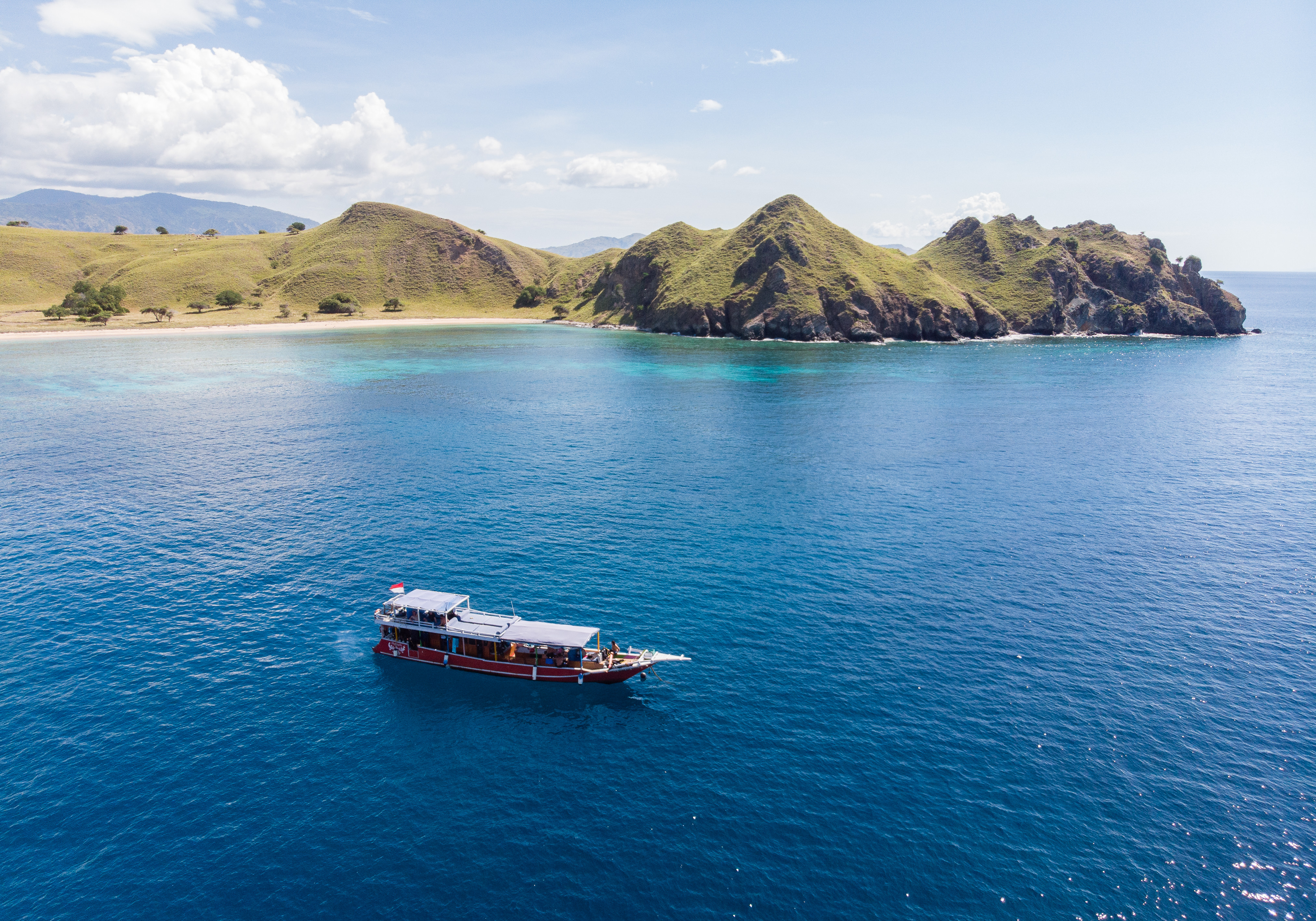
Cozumel is a resort destination. Operators run two-tank morning trips and single-tank afternoon dives from San Miguel and the marinas just south of town, with sites typically 10 to 30 minutes away. A standard day is a deeper first dive on a wall at 25 to 30 m followed by a shallower reef at 12 to 18 m, and the boat has you back on shore for lunch. There is no liveaboard fleet based here; boats working the wider Mexican Caribbean generally sail from mainland ports.
Because it is easy to reach from North America, has hundreds of operators and works in almost any month, Cozumel absorbs a very large number of divers. Sites are rotated by the park authority to spread the load, and the busiest reefs, Palancar and Santa Rosa, can hold several boats at once in high season. Booking with an operator that runs small groups is the single biggest lever a visiting diver has over the quality of the experience.
Why dive Cozumel
Cozumel is the easiest big-reef diving in the Caribbean: warm, clear, protected, served by direct flights, and effortless once you accept that the current is in charge.
- Drift diving as the default: the Yucatan Current carries divers along the walls at a walking pace, so a 50-minute dive covers hundreds of meters of reef with almost no finning.
- Palancar and Santa Rosa: two of the best-known coral formations in the Caribbean, with buttresses, tunnels and canyons dropping from 15 m into the blue.
- Visibility of 20 to 40 meters: water arriving from the open Caribbean carries almost no sediment, and the reef sits on the lee side of the island.
- An endemic fish: the splendid toadfish lives nowhere else, tucked under coral ledges on almost every shallow reef, and is a reliable find for guides who know the spots.
- A real national park: mooring rules, a daily fee, no-take protection and site rotation have kept fish life and reef structure in better shape than on comparable unmanaged reefs.
- Year-round, beginner-friendly access: Open Water divers can dive most sites, water never drops below about 25C, and direct flights from North America land on the island itself.
Dive sites in Cozumel
Sites run in a line down the leeward coast, from the shallow reefs off town to the deep walls at the southern tip. The park rotates access, and afternoon wind or current can move the plan, so the order below is geographic rather than a fixed itinerary.
Palancar Gardens
The shallowest and gentlest part of the Palancar system, a field of coral heads and sand channels between roughly 12 and 20 m. Big barrel sponges, sea fans and schools of grunts and snapper, with turtles common over the sand. The usual choice for a second dive after a deeper wall, and the one Palancar site that suits newer divers.
Palancar Caves and Horseshoe
Further south along the same reef, the coral rises into massive buttresses cut by tunnels, arches and vertical chimneys, with the wall dropping away outside. Depths run from 18 to over 30 m. The formations are the attraction rather than the fish; good buoyancy matters because the swim-throughs are tight in places and the coral is fragile.
Santa Rosa Wall
A sheer wall starting around 15 m and falling well past recreational depth, usually dived with a brisk current. Overhangs and tunnels in the upper wall, large sponges and gorgonians, eagle rays and turtles passing in the blue, and green morays in the coral. When the current runs hard this is one of the fastest and most enjoyable drifts on the island.
Punta Sur and Devil's Throat
The southern tip, and the most demanding diving in Cozumel. Devil's Throat is a vertical chimney entered at about 27 m that exits on the wall near 40 m, with a short dark section and no easy way out mid-swim. Advanced certification, disciplined gas planning and a guide are required, and operators do turn divers away. The surrounding Cathedral and Butterfly formations are spectacular in their own right.
Colombia Deep
Huge coral pinnacles rising from a sand slope, separated by canyons and arches, at 25 to 35 m. Eagle rays, turtles and the occasional reef shark, and the sheer scale of the coral heads makes it one of the most photogenic deep sites. Usually paired with Colombia Shallows, a much lighter dive over coral heads at 10 to 15 m.
Paso del Cedral
A reef strip in 12 to 18 m that concentrates fish: dense schools of grunts and snapper, groupers, green morays, southern stingrays on the sand and nurse sharks resting under the ledges. Current is often strong, which is exactly why the fish stack up here. A favourite second dive and one of the better sites for the splendid toadfish.
C-53 Felipe Xicotencatl
A 56 m former Mexican Navy minesweeper sunk upright on sand in about 24 m off Chankanaab in 2000, prepared for penetration with cut openings. Short, easy and sheltered from the main current, and the only wreck dive on the island. Popular for wreck specialty courses and a useful alternative when wind closes the south.
Yucab and Tormentos
Two shallow reefs close to town in 10 to 18 m, both current-driven and both loaded with life: coral heads riddled with lobster and crab, flamingo tongues on the gorgonians, toadfish under the ledges and turtles feeding on the sand. These are the sites that keep working when weather rules out the deep south.
Marine life in Cozumel
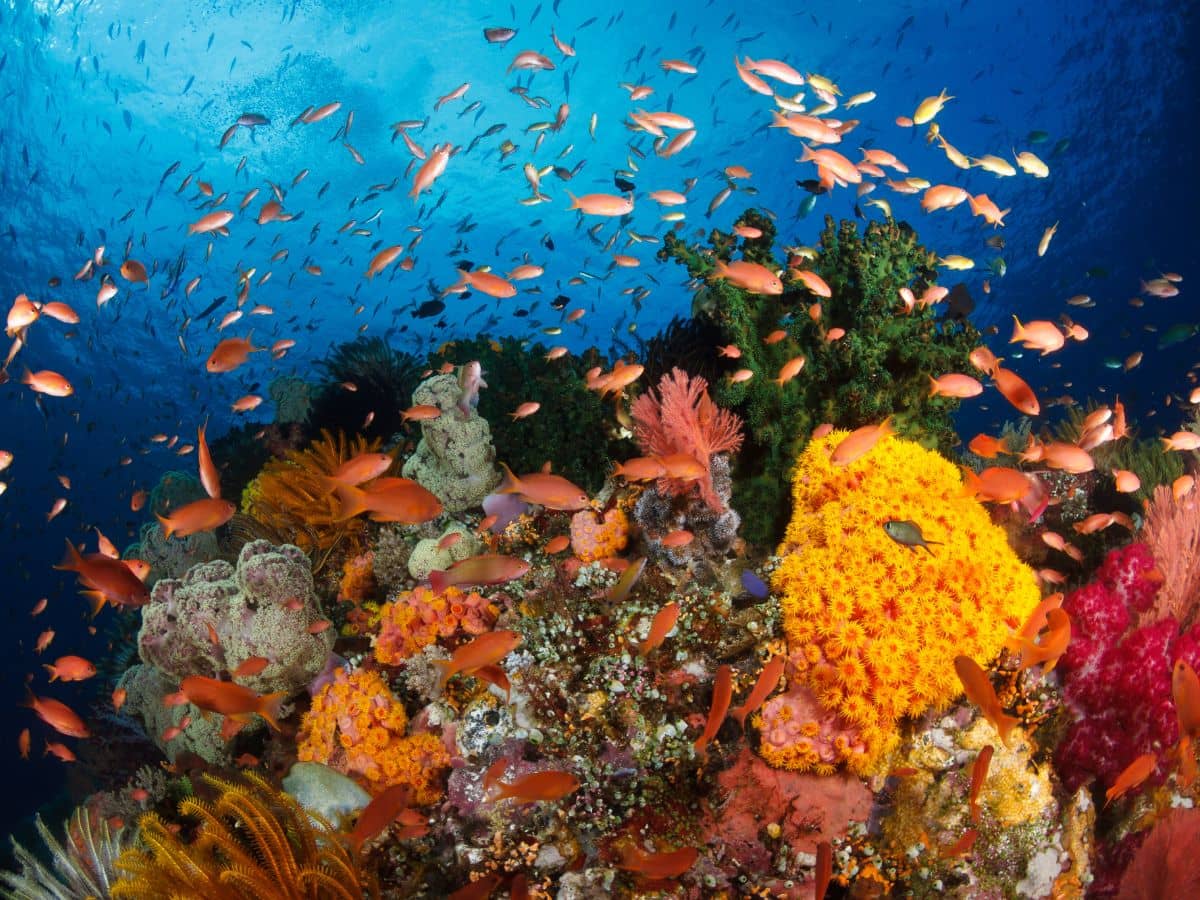
Cozumel sits at the northern end of the Mesoamerican Barrier Reef, and the fauna is classic Caribbean rather than pelagic. The draw is reef structure, reliable turtles and rays, and one fish that exists nowhere else on earth.
Signature sightings
- Splendid toadfish, endemic to Cozumel, hiding under coral ledges on the shallow reefs at Tormentos, Yucab and Paso del Cedral.
- Spotted eagle rays, most numerous from December to February when they cross the walls in small groups.
- Nurse sharks resting under overhangs at Paso del Cedral and Santa Rosa; Caribbean reef sharks appear occasionally but are not a feature.
- Hawksbill and green turtles on almost every dive, feeding on sponges and seagrass along the reef edge.
- Southern stingrays and yellow stingrays on the sand channels between coral heads.
Reef fish and invertebrates
- Dense schools of French and bluestriped grunts, schoolmaster snapper and horse-eye jacks.
- Green and spotted morays, black grouper, Nassau grouper and midnight parrotfish.
- Queen and French angelfish, filefish, trumpetfish and barracuda hanging in the current.
- Caribbean spiny lobster, channel clinging crab, arrow crabs and banded coral shrimp in the ledges.
- Flamingo tongue snails on the sea fans, with large barrel and rope sponges along the walls.
Seasonal visitors and day trips
- Bull sharks aggregate off Playa del Carmen, a 45-minute ferry across the channel, from roughly November to March.
- Whale sharks aggregate off Isla Contoy and Isla Mujeres from June to September, snorkel only and by permit, run as a day trip from the mainland.
- Lionfish are an established invasive species and are culled only by licensed operators under park rules.
Dive conditions
Water temperature runs from about 25C in January and February to 29C in August and September. A 3 mm full suit works all year for most divers; visitors doing three or four dives a day in winter often prefer 5 mm, and a shorty is enough in late summer.
Visibility is typically 20 to 40 m and frequently at the top of that range on the southern walls. It drops after strong winds, after heavy summer rain pushes runoff into the channel, and during sargassum influxes, which affect the beaches more than the dive sites. Currents are the defining condition: they usually run south to north at anything from a gentle push to two knots or more, they can change with depth, and dives are almost always live-boat drifts with the captain following bubbles or a marker buoy.
Open Water certification is enough for the majority of sites. Punta Sur and Devil's Throat require Advanced Open Water and a guide who will check your recent experience, and the deep walls at Santa Rosa and Colombia benefit from nitrox given the repetitive profiles. A surface marker buoy is standard kit and several operators insist on it. The island has hyperbaric chamber facilities, which is one reason operators run multi-dive schedules here with confidence.
Cozumel through the year
Water and air temperature, visibility and rainfall for every month, with the windows we would book ourselves. Hover or tap a month for the detail.
- Water
- Air
- Visibility
- Rain
Show the monthly data as a table
| Month | Water °C | Air °C | Visibility | Rain | Diving | Notes |
|---|---|---|---|---|---|---|
| Jan | 25–26 °C | 20–27 °C | 25–40 m | 70 mm | Peak | Dry season; nortes can close the port |
| Feb | 25–26 °C | 20–28 °C | 25–40 m | 50 mm | Peak | Eagle ray season; best visibility |
| Mar | 25–27 °C | 22–29 °C | 25–40 m | 40 mm | Peak | Calm and busy; spring break crowds |
| Apr | 26–27 °C | 23–31 °C | 25–40 m | 40 mm | Peak | Best all-round month; nortes over |
| May | 27–28 °C | 25–32 °C | 20–40 m | 100 mm | Peak | Warm and settled, pre-hurricane season |
| Jun | 28–29 °C | 25–32 °C | 20–35 m | 180 mm | Good | Hurricane season opens; quieter boats |
| Jul | 28–29 °C | 25–32 °C | 20–35 m | 110 mm | Good | Hot and humid; possible sargassum |
| Aug | 29–30 °C | 25–33 °C | 20–35 m | 130 mm | Good | Warmest water; storm risk rising |
| Sep | 29–30 °C | 25–32 °C | 15–30 m | 200 mm | Possible | Hurricane season peak; wettest month |
| Oct | 28–29 °C | 24–31 °C | 15–30 m | 190 mm | Possible | Storm risk high; some shops close |
| Nov | 27–28 °C | 22–29 °C | 20–35 m | 110 mm | Good | Season turning; first nortes possible |
| Dec | 26–27 °C | 21–28 °C | 25–40 m | 90 mm | Peak | Dry season returns; peak prices |
Best time to visit Cozumel
Cozumel is divable in every month of the year. The choice is between the dry, calm, crowded winter and the warm, wet, quieter summer, with a hurricane risk that peaks from August to October.
- December to March: the dry season and the peak. Water around 25 to 27C, excellent visibility, eagle rays at their most numerous. The catch is the nortes, north winds that can close the port for a day or two at a time, and the highest prices of the year.
- April and May: arguably the best balance. Warming water, settled weather, the nortes finished, the winter crowds gone and the hurricane season not yet started.
- June to August: hot and humid with afternoon thunderstorms and water up to 29C. Diving is generally excellent and boats are less full, but this is when sargassum is most likely on the windward beaches and when hurricane watching begins.
- September and October: the statistical peak of the Atlantic hurricane season, the wettest months, and the period when some operators take their annual break. Rates are lowest; travel insurance covering weather disruption is worth having.
- November: the transition. Hurricane risk falling away, water still around 28C, prices still low, and the first nortes possible late in the month.
Getting to Cozumel
Cozumel International Airport (CZM) sits on the island itself and receives direct flights from a long list of United States and Canadian cities, plus domestic services from Mexico City and connections through Cancun. Taxis from the airport to town and the dive marinas take 10 to 25 minutes; rental cars are available but most divers never need one.
The cheaper and more common route from Europe and from many United States cities is to fly into Cancun International Airport (CUN), transfer by shuttle or bus to Playa del Carmen, about 60 to 75 minutes, then take the passenger ferry to San Miguel de Cozumel, roughly 45 minutes with departures through the day. Allow a comfortable buffer: the last ferries leave in the evening and the crossing can be cancelled in high wind.
Most divers stay in or near San Miguel or along the southern hotel strip, where boats leave from the town pier, Marina Caleta and the resort docks. Cruise ships call most days, which affects town rather than the reefs, though the busiest sites do feel it.
Citizens of the United States, Canada, the United Kingdom, the European Union, Australia and many other countries enter Mexico without a visa for tourism; the paper immigration form has been replaced at most airports by a digital record, so keep whatever stamp or slip you are given.
Getting to Cozumel, and what to know before you go
Taxi to San Miguel and the dive marinas, 10 to 25 min
Shuttle to Playa del Carmen 60 to 75 min, then a 45-min ferry to Cozumel
San Miguel de Cozumel · Marina Caleta
- Best season
- Dec–May
- Off season
- Sep–Oct (Atlantic hurricane season peak, heaviest rain)
- Typical trip
- 5–7 nights, 2 to 4 dives a day
- Experience
- Open Water, about 0 logged dives
- Park / marine fee
- Cozumel Reefs National Park conservation fee approximately MXN 100 (about USD 5 to 6) per diver per day, collected as a wristband and usually billed on top of the dive price, along with a small hyperbaric chamber contribution
- Visa
- Visa-free for most Western nationalities, up to 180 days
- Nitrox
- Available at nearly every operator, usually at extra cost
- Currency
- Mexican peso (MXN); US dollars widely accepted
- Language
- Spanish; English widely spoken in the dive industry
- Time zone
- UTC-5 (Southeast Zone, no daylight saving)
- Power
- Type A/B, 127 V
- Splendid toadfish
- Spotted eagle ray
- Nurse shark
- Hawksbill turtle
- Green turtle
- Southern stingray
- Green moray
- Black grouper
| Species | Months | Where |
|---|---|---|
| Spotted eagle ray | Dec–Feb | Santa Rosa and Palancar walls, out in the blue |
| Splendid toadfish | Year-round | Under ledges at Tormentos, Yucab, Paso del Cedral |
| Nurse shark | Year-round | Overhangs at Paso del Cedral and Santa Rosa |
| Hawksbill and green turtle | Year-round, nesting May–Sep | Reef tops and sand channels islandwide |
| Bull shark | Nov–Mar | Playa del Carmen, day trip across the channel |
| Whale shark | Jun–Sep | Isla Contoy aggregation, snorkel only, mainland day trip |
Seasons are typical, not guaranteed: sightings depend on currents, weather and luck.
Practical information
Park fee: Cozumel Reefs National Park charges a per-diver daily conservation fee, on the order of MXN 100 (roughly USD 5 to 6) per person per day, collected by the operator as a wristband. Confirm at booking whether it is included; most shops bill it separately along with a small hyperbaric chamber contribution.
Rules: no touching, no gloves at most operators, no anchoring, no collecting and no feeding. Fishing is prohibited inside the park boundaries, lionfish culling is allowed only for licensed operators, and drone use over the park is restricted.
Money: the Mexican peso is the currency, but United States dollars are accepted almost everywhere and cards work in town. Carry pesos or small dollar bills for the park fee, boat crew tips and taxis.
Diving: nitrox is available at nearly every shop and is worth taking for repetitive wall profiles. Hyperbaric chamber facilities are on the island and dive insurance is strongly recommended. Deep and overhead sites at Punta Sur require Advanced Open Water.
Practicalities: 127 V with type A and B sockets; Spanish is the language and English is widely spoken in the dive industry; Quintana Roo runs on UTC-5 year-round with no daylight saving.
Tips & recommendations
- Let the current do the work: the classic mistake in Cozumel is finning against the drift. Stay level, stay with the guide and let the reef come to you.
- Carry a surface marker buoy: live-boat pickups are the norm and several operators will not put you in the water without one.
- Choose a small-group operator: the difference between six divers and sixteen on a busy Palancar mooring is the whole trip.
- Ask for the toadfish: guides who work the shallow reefs know the individual ledges where the endemic splendid toadfish sits, but only if you ask.
- Book the ferry with time to spare: if you fly into Cancun, budget three hours from the terminal to the island and do not plan a same-day flight home.
- Expect a winter norte: from December to February the port can close for a day. Book enough days that losing one does not end your diving.
- Bring a wide-angle setup: the walls, swim-throughs and coral buttresses are the subject; there is macro here, but it is not why people come.