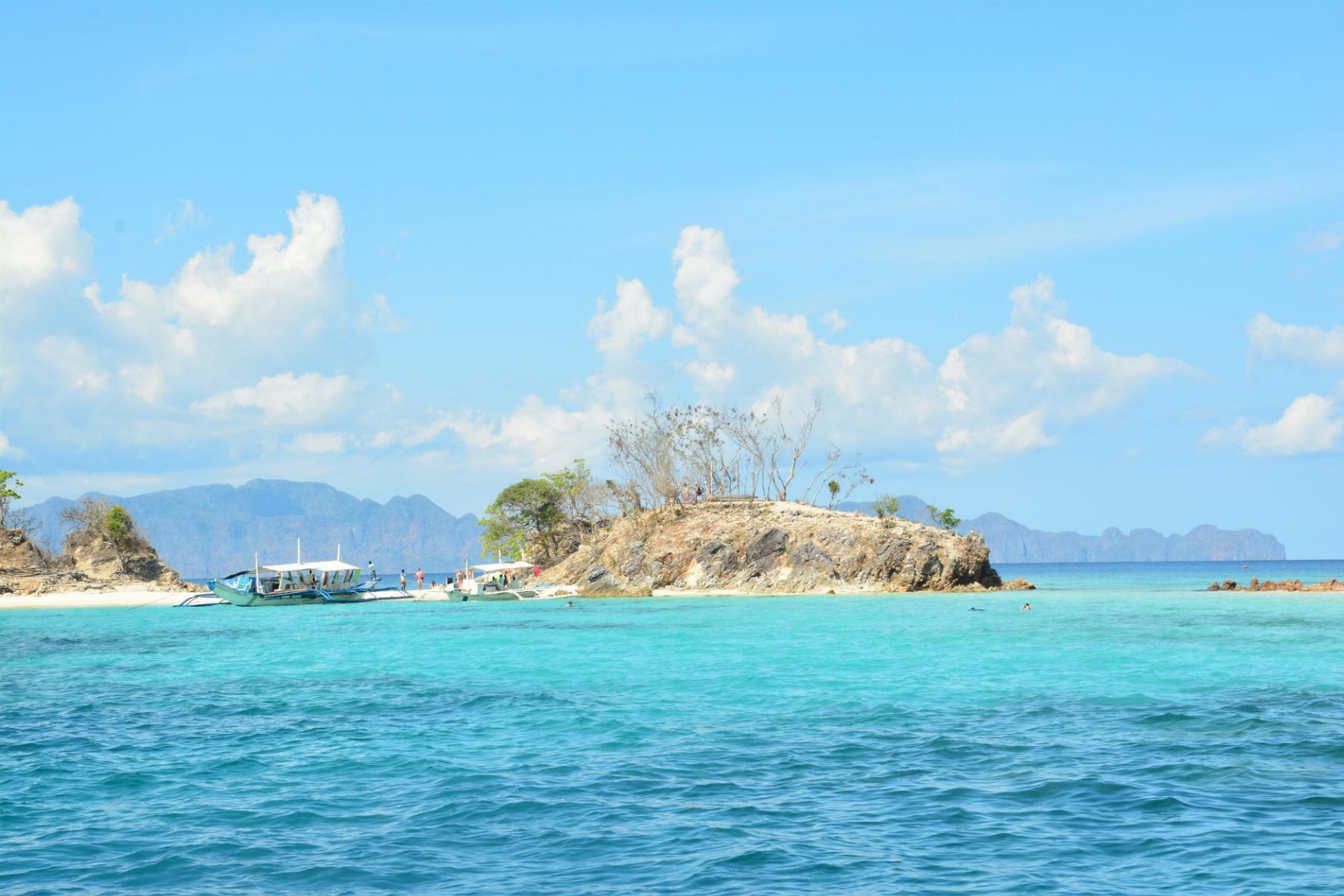
Coron diving at a glance
Coron lies in the Calamian Islands of northern Palawan. The National Museum of the Philippines reports that Japanese Navy ships fleeing American air raids on Manila Bay sought shelter in Coron and were struck by US Navy aircraft in 1944. Its list of six wrecks includes the Olympia Maru, Irako, Okikawa Maru, Akitsushima, Ekkai Maru and Kogyo Maru, and it describes them as underwater cultural heritage.
Lakes and gardens
The Philippine Department of Tourism lists Barracuda Lake, popular for its thermocline layers, and Siete Pecados Marine Park, where coral gardens are described as colourful and resilient.
Wreck etiquette
The same page asks visitors not to touch the wrecks because rusted metal can be sharp.
Why dive Coron
Coron is a destination for history-minded divers.
- Wartime wrecks: Multiple Japanese ships lie at accessible depths, many covered in coral, according to the Department of Tourism.
- Wreck access for different levels: A wreck near the surface can be seen by snorkellers, while deeper hulls and engine rooms suit certified divers.
- Freshwater and marine variety: Lakes with thermoclines sit alongside coral gardens.
- Conditions: Visibility is reported at roughly 20 to 30 metres from March to May. Water temperature is typically in the high 20s Celsius.
- Season: The Department of Tourism lists late November to May as the dry season with calmer seas.
Dive sites around Coron
Wrecks are spread through Coron Bay and are usually reached by boat from the town.
- Skeleton Wreck: A wreck just below the surface, reachable by snorkellers according to the Department of Tourism.
- Lusong Gunboat: Listed by the Department of Tourism as a highlight.
- Larger Japanese wrecks: The six ships documented by the National Museum, including the Akitsushima and Okikawa Maru.
- Barracuda Lake: A lake dive with thermocline layers.
- Siete Pecados Marine Park: Coral gardens close to town.
Marine life
The wrecks have become artificial reefs over eight decades.
- Wreck fauna: Corals, sponges and schooling fish cover hulls and decks.
- Reef fish and turtles: Seen on coral gardens at Siete Pecados.
- Barracuda: Best known for its thermocline layers rather than for large animals.
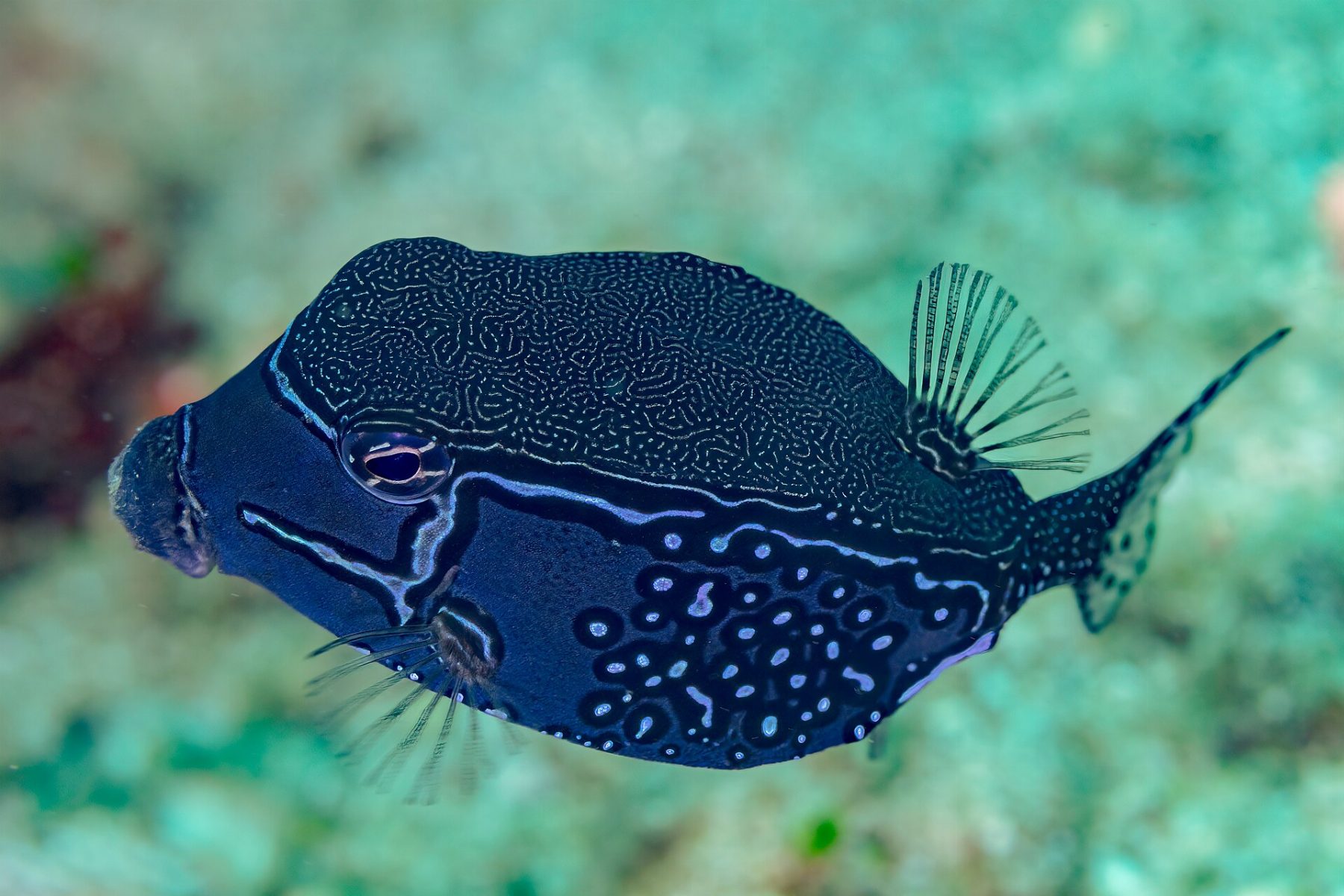
- Macro life: Nudibranchs and shrimps on some reefs.
Sightings vary by season and site.
Coron through the year
Water and air temperature, visibility and rainfall for every month, with the windows we would book ourselves. Hover or tap a month for the detail.
- Water
- Air
- Visibility
- Rain
Show the monthly data as a table
| Month | Water °C | Air °C | Visibility | Rain | Diving | Notes |
|---|---|---|---|---|---|---|
| Jan | 27–29 °C | 24–31 °C | 15–30 m | 40 mm | Peak | Dry season; busy tourist period |
| Feb | 27–29 °C | 24–32 °C | 15–30 m | 20 mm | Peak | Dry; calm |
| Mar | 27–30 °C | 25–33 °C | 20–30 m | 30 mm | Peak | Dry; DOT reports best visibility Mar-May |
| Apr | 28–30 °C | 26–34 °C | 20–30 m | 40 mm | Peak | Dry and hot; best visibility |
| May | 28–30 °C | 26–34 °C | 20–30 m | 150 mm | Peak | Hot; rain starting late |
| Jun | 28–30 °C | 26–32 °C | 8–20 m | 300 mm | Possible | Rainy season; showers and wind |
| Jul | 28–30 °C | 25–31 °C | 8–20 m | 400 mm | Possible | Rainy; typhoon risk |
| Aug | 28–30 °C | 25–31 °C | 8–20 m | 450 mm | Possible | Rainy; typhoon risk |
| Sep | 28–30 °C | 25–31 °C | 8–20 m | 350 mm | Possible | Rainy; typhoon risk |
| Oct | 28–30 °C | 25–31 °C | 8–22 m | 250 mm | Possible | Rainy; easing late |
| Nov | 27–29 °C | 24–31 °C | 12–25 m | 150 mm | Good | Transition; dry season begins late month |
| Dec | 27–29 °C | 24–31 °C | 15–30 m | 80 mm | Peak | Dry season; cool days |
Getting there and around
Flights and ferries
- Busuanga (USU): The airport serving Coron. Flights from Manila take about 1 to 1.5 hours, per the Department of Tourism.
- Ferries: Fast ferries from other Palawan points take roughly 1 to 3 hours; allow buffers for weather.
- Transfers: Shared vans and private cars link the airport to town.
Around Coron
Tricycles, motorbikes and boat tours are standard. Environmental fees apply for many sites; keep your receipts. See the Department of Tourism's Coron page.
Getting to Coron, and what to know before you go
Road to Coron town; shared vans and private transfers available
Domestic flights to Busuanga take about 1 to 1.5 hours
Coron town
- Best season
- Late Nov-May (dry season)
- Off season
- Jun-Oct (rainy season, typhoon risk)
- Typical trip
- Day diving from Coron town; most visitors stay 4 to 7 nights
- Experience
- about 0 logged dives
- Park / marine fee
- Environmental fees apply at many Coron sites; amounts are not given on the Department of Tourism page, so confirm with the local government
- Visa
- Rules depend on nationality; many visitors can enter without a visa for a limited stay. Check the Philippine Bureau of Immigration before you travel.
- Nitrox
- Available at some dive centres; ask when booking
- Currency
- Philippine peso (PHP)
- Language
- Filipino, Cuyonon and English; English widely used in tourism
- Time zone
- UTC+8 (PHT)
- Power
- Type A/B/C, 220 V
- Wreck reef fish
- Barracuda
- Turtles (occasional)
- Nudibranchs
- Corals
| Species | Months | Where |
|---|---|---|
| Schooling fish and reef life on wrecks | Year-round | Japanese wrecks |
| Reef fish and corals | Year-round | Siete Pecados Marine Park |
Seasons are typical, not guaranteed: sightings depend on currents, weather and luck.
Tips & recommendations
- Do not touch wrecks: Rusted metal is sharp and the sites are heritage.
- Plan around weather: The Department of Tourism notes the Coast Guard may cancel island-hopping in the rainy months.
- Bring cash: Coron is largely cash-based and cash machines can run out.
- Check fees: Environmental fees apply; confirm amounts with the local government.
- Wear aqua shoes: Rocks and sea urchins are common at some entry points.