Amed diving at a glance
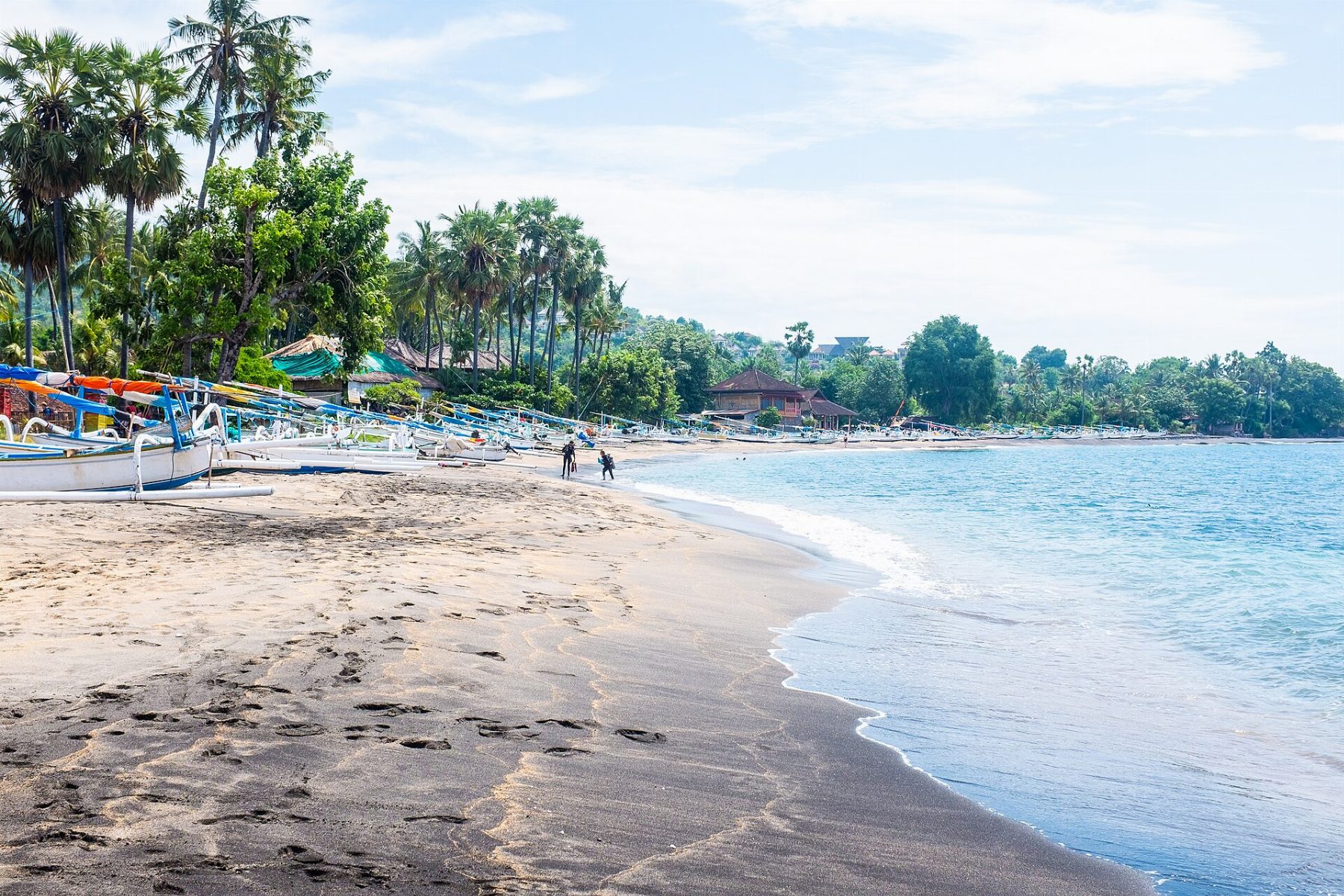
Amed is the name given to a group of small villages along the north-east coast of Bali, in the Karangasem regency. Bali's provincial tourism site describes Amed as a place known for freediving, snorkelling and scuba diving, with reefs that remain in good condition. The sea sits below Mount Agung, and the shoreline is mostly dark volcanic sand and pebble.
Shore and short boat dives
Reefs here start close to the beach, so many dives begin with a walk or a short boat ride rather than a long crossing. Indonesia's tourism board lists named spots including Bunutan Point (about 10 minutes by boat from Amed Beach), Amed Wall (about 5 minutes by boat) and a Japanese shipwreck that now acts as an artificial reef.
Pace
The area is quieter than much of southern Bali. Visitors typically base themselves in one of the bay villages and dive daily from there.
Why dive Amed
Amed offers dependable, gentle diving close to a bay-side base, with enough variety to fill several days.
- Shore access: Reefs begin near the beach, which reduces boat time and suits relaxed schedules.
- Wreck and wall in one area: A Japanese wartime wreck and a coral wall are both listed by Indonesia's tourism board as nearby dive spots.
- Snorkelling too: Shallow reefs let non-divers share the water.
- Conditions: Water temperature typically sits in the high 20s Celsius, with visibility often ranging from roughly 10 to 30 metres depending on season and swell.
- Easy pairing: Tulamben, with the USAT Liberty wreck, is a short drive up the coast.
Dive sites around Amed
Sites are along a stretch of coast, from Jemeluk in the west to the eastern bays. The sites below are named in official tourism material or are widely used local names; confirm access and conditions with your guide.
- Bunutan Point: A reef reached by short boat ride from Amed Beach, listed by Indonesia's tourism board.
- Amed Wall: A coral wall about five minutes by boat from Amed Beach.
- Japanese shipwreck: A wartime wreck now sitting as an artificial reef, listed on both the diving and snorkelling pages of Indonesia's tourism board.
- Jemeluk Bay: A sheltered bay with shallow reef that is also popular for snorkelling.
- Lipah and Selang bays: Reefs with sand slopes that are often used for macro dives.
Marine life
Reefs here mix hard and soft corals with sand and rubble slopes, so both reef fish and small critters are found.
- Reef fish including fusiliers, butterflyfish, anthias, groupers and parrotfish.
- Turtles are reported on some dives.
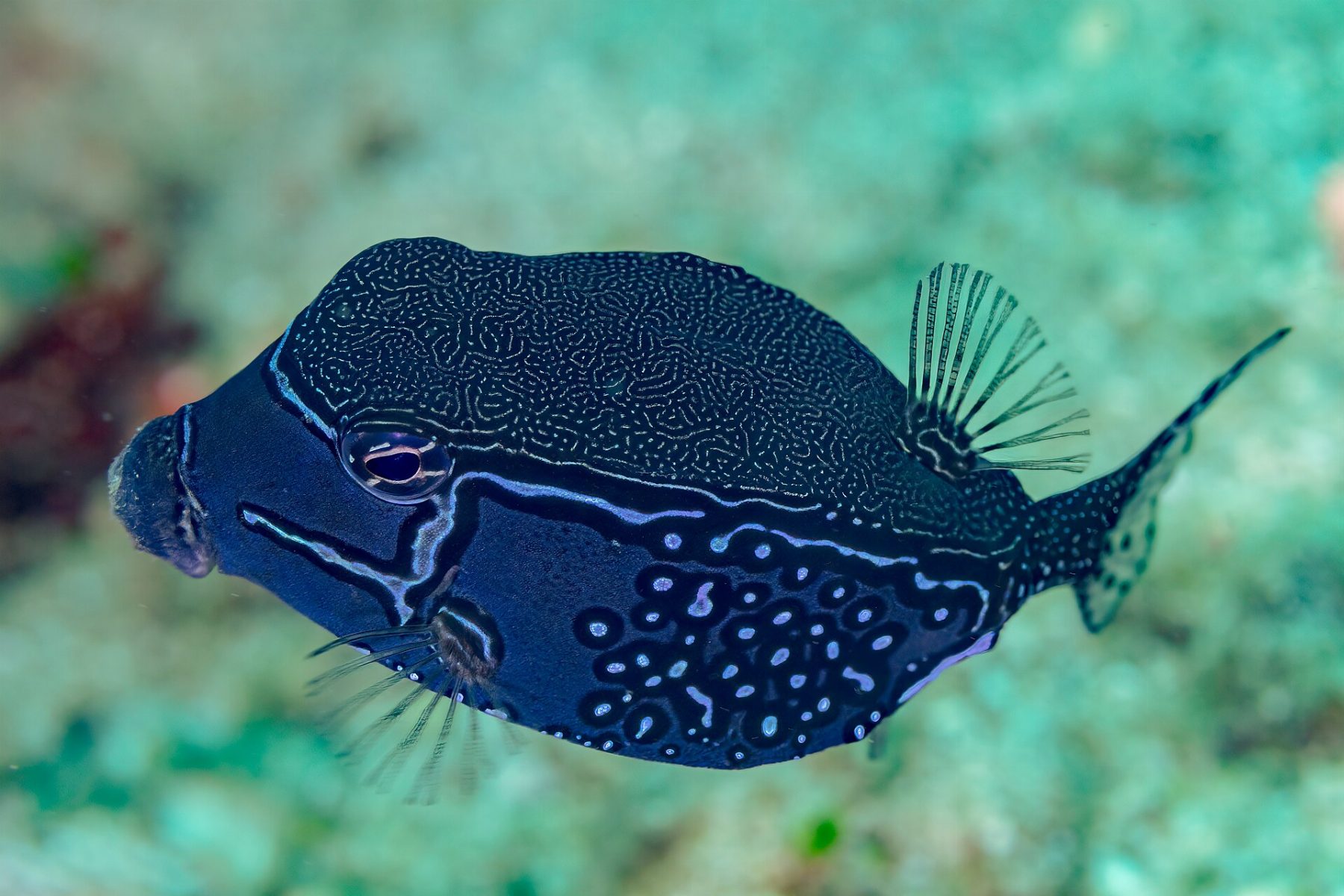
- Macro life on sandy slopes can include nudibranchs, shrimps, seahorses and frogfish.
- Schooling fish may gather around the wreck and wall areas, especially in the morning.
No site can promise a given species; sightings change with season and time of day.
Amed through the year
Water and air temperature, visibility and rainfall for every month, with the windows we would book ourselves. Hover or tap a month for the detail.
- Water
- Air
- Visibility
- Rain
Show the monthly data as a table
| Month | Water °C | Air °C | Visibility | Rain | Diving | Notes |
|---|---|---|---|---|---|---|
| Jan | 27–29 °C | 25–31 °C | 8–20 m | 200 mm | Possible | Wetter month; occasional rain and surge |
| Feb | 27–29 °C | 25–31 °C | 8–20 m | 180 mm | Possible | Rain possible; visibility more variable |
| Mar | 27–29 °C | 25–31 °C | 10–25 m | 130 mm | Good | Rain easing |
| Apr | 27–29 °C | 24–32 °C | 15–30 m | 70 mm | Peak | Drier weather returns |
| May | 27–29 °C | 24–32 °C | 15–30 m | 50 mm | Peak | Generally calm and clear |
| Jun | 26–28 °C | 23–31 °C | 15–30 m | 40 mm | Peak | Dry, steady conditions |
| Jul | 26–28 °C | 23–31 °C | 15–30 m | 20 mm | Peak | Dry; popular period |
| Aug | 26–28 °C | 23–31 °C | 15–30 m | 10 mm | Peak | Dry; slightly cooler water |
| Sep | 26–28 °C | 23–32 °C | 15–30 m | 15 mm | Peak | Dry and calm |
| Oct | 27–29 °C | 24–32 °C | 12–25 m | 50 mm | Peak | Dry; rain starting late |
| Nov | 27–29 °C | 25–32 °C | 10–22 m | 110 mm | Good | Shoulder season, first rains |
| Dec | 27–29 °C | 25–31 °C | 8–20 m | 180 mm | Possible | Wet season begins |
Getting there and around
Airport and transfers
- Denpasar (DPS): The main gateway. The drive to Amed typically takes around 2.5 to 3 hours, depending on traffic and route.
- Nearby bases: Tulamben is a short drive to the north-west; Candidasa and Padangbai lie to the south-west.
Getting around
Scooters and private cars with drivers are common choices for the coastal road. Dive centres commonly offer transfers within the area.
Bali tourist levy
Bali's provincial government charges foreign visitors a levy of IDR 150,000 per person, paid once per trip. See Love Bali for current rules.
Getting to Amed, and what to know before you go
Typically 2.5 to 3 hours by road, depending on traffic
- Best season
- Apr-Oct (drier months)
- Off season
- Dec-Mar (wetter months)
- Typical trip
- Day diving from a bay-side base; most visitors stay 3 to 7 nights
- Experience
- about 0 logged dives
- Park / marine fee
- Bali foreign tourist levy of IDR 150,000 per person, paid once per trip (Bali provincial government)
- Visa
- Rules depend on nationality and change; check the Indonesian immigration authority before you travel. Many visitors use a visa on arrival or e-VOA for stays of about 30 days.
- Nitrox
- Available at some dive centres; ask when booking
- Currency
- Indonesian rupiah (IDR)
- Language
- Indonesian and Balinese; English widely used in tourism
- Time zone
- UTC+8 (WITA)
- Power
- Type C/F, 230 V
- Green turtle
- Reef fish
- Nudibranchs
- Frogfish
- Seahorse
- Shrimps
| Species | Months | Where |
|---|---|---|
| Reef fish and turtles | Year-round | Reefs and wall around Amed |
| Macro life (nudibranchs, shrimps) | Year-round | Sandy slopes in the bays |
Seasons are typical, not guaranteed: sightings depend on currents, weather and luck.
Tips & recommendations
- Check shore entries: Black volcanic sand and pebbles can be slippery; reef shoes help.
- Dive early: Mornings usually bring calmer water and fewer crowds.
- Respect the reef: Do not touch or stand on coral or wreck structures.
- Plan weather buffers: Swell and rain can change quickly in the wetter months, roughly December to March.
- Bring cash: Cards are not accepted everywhere in small villages.
Operators here
Dive centers, resorts and liveaboards working in Amed. Unclaimed listings are prepared by DiveHQ from public information.
Dive centers
 Dive center
Unclaimed
Adventure Divers Bali
Amed · Indonesia
Adventure Divers Bali is a dive centre in Amed, on the east coast of Bali, where the Pacific and Indian oceans meet. Its team of multilingual instruct...
Dive center
Unclaimed
Amed Buddha Diving
Amed · Indonesia
Amed Buddha Diving is a small dive centre on the main street in Bunutan, Amed, on the north-east coast of Bali. It offers fun dives, courses and accom...
Dive center
Unclaimed
Amed Dive Center Bali
Amed · Indonesia
Amed Dive Center Bali is a dive shop on the grounds of Hotel Uyah Amed and Spa Resort, on the Pantai Timur road in Amed, in the Karangasem regency of...
Dive center
Unclaimed
Amed Dive Explorer
Amed · Indonesia
Amed Dive Explorer is a dive centre in the middle of Amed village, on the north-east coast of Bali. It runs Discover Diving, Open Water, Advanced Open...
Dive center
Unclaimed
Amed Jepun Divers
Amed · Indonesia
Amed Jepun Divers is a dive centre in Amed, east Bali, with studio accommodation, Jepun Hill Studios, located above the dive centre. It teaches beginn...
Dive center
Unclaimed
Bali Fab Dive
Amed · Indonesia
Bali Fab Dive is a French-run dive centre in a quiet rural part of Amed, in north-east Bali, with a view of the volcano. It teaches the full range of...
Dive center
Unclaimed
Dive Concepts Bali
Amed · Indonesia
Dive Concepts Bali has run dive centres since 2009 in Amed, Pemuteran, Nusa Lembongan and Tulamben on the island of Bali. The programme covers fun div...
Dive center
Unclaimed
Dive Culture Bali
Amed · Indonesia
Dive Culture Bali is a dive centre on Jalan Melasti in Purwakerthi, Amed, on the north-east coast of Bali. It offers fun diving in small groups direct...
Dive center
Unclaimed
Diveonesia
Amed · Indonesia
Diveonesia is a dive centre in Amed, on the north-east coast of Bali. It runs courses, fun dives and snorkelling trips, and teaches through one intern...
Dive center
Unclaimed
Ecodive Bali
Amed · Indonesia
Ecodive Bali is a dive centre in Amed on the north-east shore of Bali, and describes itself as the oldest and largest centre in the village. It runs d...
Dive center
Unclaimed
Eurodive Bali
Amed · Indonesia
Eurodive Bali is a dive centre based in Amed with a second base in Tulamben, both on the north-east coast of Bali. It offers courses, fun diving and d...
Dive center
Unclaimed
Evolution Diver
Amed · Indonesia
Evolution Diver is a French and English speaking dive centre in Purwakerti, Amed, in the Abang district of Karangasem, north-east Bali. It teaches cou...
Dive center
Unclaimed
Two Fish Divers
Amed · Indonesia
Two Fish Divers is a family-run dive operator with its main Indonesian base in Amed, on the north-east coast of Bali. The Amed centre offers dive cour...
Dive resorts
Dive resort
Unclaimed
Amed White Sand Divers
Amed · Indonesia
Amed White Sand Divers is a dive resort on Lipah Beach in Amed, with a dive shop and eight family-owned hotels nearby. The centre offers courses from...
Dive resort
Unclaimed
Aqua Dive Resort Amed
Amed · Indonesia
Aqua Dive Resort Amed is a dive resort in Purwakerthi, in the Abang district of Amed on the north-east coast of Bali. It offers bungalow accommodation...
Dive resort
Unclaimed
Bali Dive Cove
Amed · Indonesia
Bali Dive Cove is a family-owned dive resort on Jalan I Ketut Natih in Amed, in the Abang district of Karangasem, north-east Bali. The team offers Dis...
Dive resort
Unclaimed
Bali Diversity Dive Resort
Amed · Indonesia
Bali Diversity Dive Resort is a dive centre and resort in Bunutan village, in the Abang district of Amed, Karangasem. Guests can book dive and stay or...
Dive resort
Unclaimed
Bali Reef Divers
Amed · Indonesia
Bali Reef Divers operates dive centres in Amed and Tulamben on the north-east coast of Bali, with lodging at each base. Guests can choose between shar...
Dive resort
Unclaimed
Jukung Dive Bali
Amed · Indonesia
Jukung Dive Bali is a dive resort and dive centre with two bases, one in Amed on the north-east coast of Bali and one on Nusa Penida. It offers accomm...
Dive resort
Unclaimed
No Fear Diving Amed
Amed · Indonesia
No Fear Diving is a dive operator in Amed, on the north-east coast of Bali, combined with Amedku Villas. The centre runs fun dives, certification and...