Anilao diving at a glance
Anilao is the name commonly used for the diving coast of Mabini in Batangas province, on the southern side of the Verde Island Passage. The Philippine Department of Tourism describes the passage as a premier area for snorkelling, scuba diving and freediving, and notes more than 40 documented dive sites around Anilao. The department also organises an annual underwater photography event here, which reflects the area's reputation for small marine life.
Macro focus
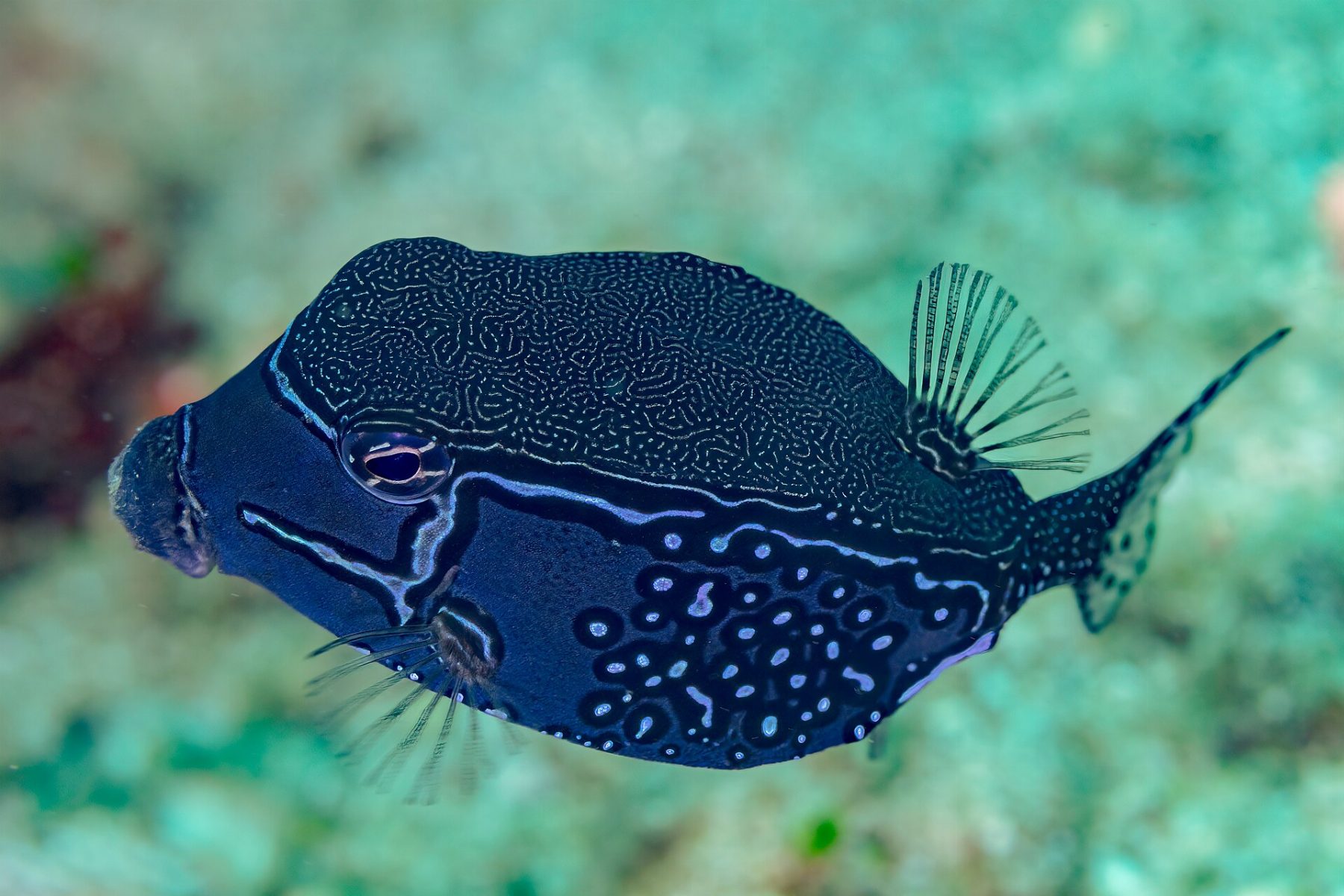
Many Anilao dives are slow, shallow explorations of reef slopes and sandy patches rather than large-animal encounters. Guides often spend time pointing out tiny species.
Operators and permits
A Department of Tourism report from the late 2020 reopening noted dive establishments in Mabini operating under provisional permits. Check current accreditation with the regional tourism office or the municipality.
Why dive Anilao
Anilao is popular with divers who enjoy detail and variety close to a major city.
- Close to Manila: Typically a few hours by road, so weekend trips are common.
- Macro diversity: Reefs and sandy slopes host many small species.
- Verde Island Passage: The Department of Tourism describes the passage as a centre of marine biodiversity.
- Conditions: Water is typically 26 to 29 degrees Celsius. Visibility often ranges from about 8 to 25 metres and varies with plankton and weather.
- Sites for all levels: From shallow gardens to current-swept walls.
Dive sites around Anilao
Dozens of sites lie along the coast and around small offshore islands. Local guides choose by current and tide.
- Twin Rocks and Secret Bay: Popular macro sites, often used for slow dives.
- Cathedral and Bonito Island: Deeper walls and drop-offs with more current.
- Mapating and Kirby's Rock: Reef and slope dives with a mix of fish and critters.
- Shallow gardens: Used for relaxed dives and training.
Marine life
The strength of Anilao is variety at small scale.
- Nudibranchs and flatworms in many colours.
- Frogfish, seahorses and pipefish hiding on reef and rubble.
- Shrimps and crabs living on anemones and corals.
- Octopus and cuttlefish on sandy slopes.
- Reef fish and turtles on walls and shallow reefs.
Sightings depend on season, guide and luck.
Anilao through the year
Water and air temperature, visibility and rainfall for every month, with the windows we would book ourselves. Hover or tap a month for the detail.
- Water
- Air
- Visibility
- Rain
Show the monthly data as a table
| Month | Water °C | Air °C | Visibility | Rain | Diving | Notes |
|---|---|---|---|---|---|---|
| Jan | 25–27 °C | 23–31 °C | 10–25 m | 80 mm | Peak | Dry season; cool season, calm days |
| Feb | 25–27 °C | 23–31 °C | 12–25 m | 50 mm | Peak | Dry and steady |
| Mar | 26–28 °C | 24–32 °C | 12–25 m | 40 mm | Peak | Dry, warming water |
| Apr | 27–29 °C | 25–33 °C | 12–25 m | 40 mm | Peak | Dry; warm water |
| May | 27–29 °C | 26–33 °C | 10–25 m | 150 mm | Peak | Hot; rain starting late |
| Jun | 27–29 °C | 25–32 °C | 8–20 m | 300 mm | Possible | Wet season starts; rain and wind |
| Jul | 27–29 °C | 25–31 °C | 8–20 m | 400 mm | Possible | Wet; typhoons possible |
| Aug | 27–29 °C | 25–31 °C | 8–20 m | 450 mm | Possible | Wet; typhoons possible |
| Sep | 27–29 °C | 25–31 °C | 8–20 m | 400 mm | Possible | Wet; typhoons possible |
| Oct | 27–29 °C | 25–31 °C | 8–20 m | 300 mm | Possible | Wet; rain easing late |
| Nov | 26–28 °C | 24–31 °C | 10–22 m | 200 mm | Good | Transition to the drier months |
| Dec | 26–28 °C | 23–31 °C | 10–25 m | 130 mm | Peak | Drier weather returns |
Getting there and around
From Manila
- Manila (MNL): The main gateway. The road transfer to Mabini typically takes about two and a half to three and a half hours, depending on traffic.
- Transfers: Most resorts arrange pick-ups; check with your accommodation.
On the coast
Resorts are strung along the coast and many dives start from boats moored in front. See the Department of Tourism's Batangas page for official information.
Getting to Anilao, and what to know before you go
Road transfer to Mabini, typically 2.5 to 3.5 hours depending on traffic
- Best season
- Dec-May (drier months)
- Off season
- Jun-Oct (wetter months, typhoons possible)
- Typical trip
- Day diving from resorts; most visitors stay 2 to 5 nights
- Experience
- about 0 logged dives
- Park / marine fee
- Local environmental or dive-pass fees may apply; confirm locally. None has been confirmed from an official source for this page
- Visa
- Rules depend on nationality; many visitors can enter without a visa for a limited stay. Check the Philippine Bureau of Immigration before you travel.
- Nitrox
- Available at some dive centres; ask when booking
- Currency
- Philippine peso (PHP)
- Language
- Filipino and English; English widely used in tourism
- Time zone
- UTC+8 (PHT)
- Power
- Type A/B/C, 220 V
- Nudibranchs
- Frogfish
- Seahorse
- Pipefish
- Octopus
- Shrimps
| Species | Months | Where |
|---|---|---|
| Nudibranchs, frogfish, seahorses | Year-round | Reef slopes and sandy areas |
| Turtles and reef fish | Year-round | Walls and points |
Seasons are typical, not guaranteed: sightings depend on currents, weather and luck.
Tips & recommendations
- Bring cash: Cash machines can be scarce in the Mabini area, so withdraw before you arrive.
- Slow down: Macro diving rewards patience; a torch and a good guide help.
- Protect the habitat: Avoid touching or relocating animals.
- Check weather: Wind and typhoons from roughly June to October can disrupt boats.
- Confirm fees: A local environmental or dive-pass fee may apply; ask locally.
Operators here
Dive centers, resorts and liveaboards working in Anilao. Unclaimed listings are prepared by DiveHQ from public information.
Dive resorts
 Dive resort
Unclaimed
Blue Ribbon Dive Resort
Anilao · Philippines
Blue Ribbon Dive Resort is a dive resort at Ligaya in Mabini, in the Anilao area of Batangas, about two hours from Manila. It runs private-boat dives...
Dive resort
Unclaimed
Buceo Anilao Beach & Dive Resort
Anilao · Philippines
Buceo Anilao Beach and Dive Resort is a dive resort in San Teodoro, Mabini, Batangas, with twenty-three rooms including sea-view cabanas and superior...
Dive resort
Unclaimed
Crystal Blue Resort
Anilao · Philippines
Crystal Blue Resort is a dive resort in Anilao, Batangas, fronting Balayan Bay. Guests stay in deluxe, family or superior rooms and can use the dive s...
Dive resort
Unclaimed
Eagle Point Beach and Dive Resort
Anilao · Philippines
Eagle Point Beach and Dive Resort is in Bagalangit, Anilao, in Mabini, Batangas. Accommodation ranges from deluxe cottages and cabanas to suites and a...